At Gardeneuron we are interested in the idea of using cameras to gather information on growing plants. We would like to be able to capture this data and put it into a data commons and run machine learning algorithms to develop commonly useful insights and discover new knowledge based upon statistical observation of growth patterns.

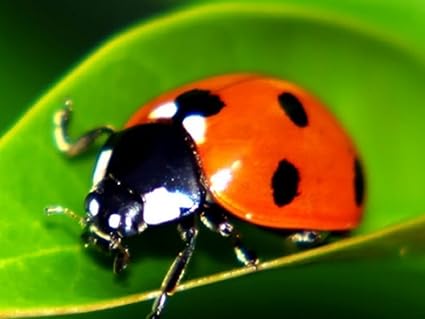
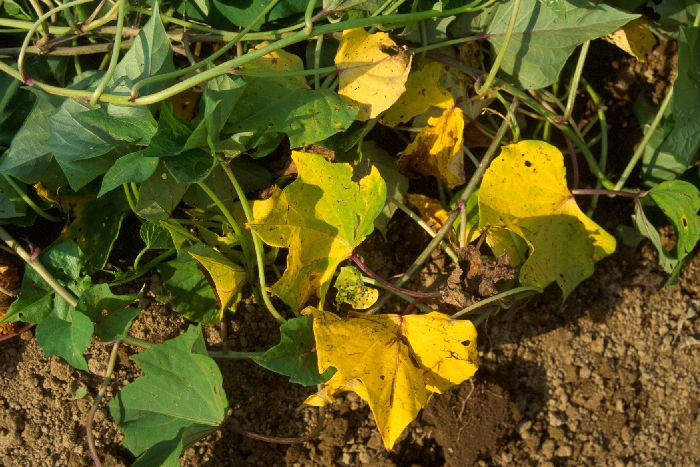
We are looking to start with Hydroponics and Aeroponics. Using a combination of standard optical cameras, near infrared cameras and spectrometers, we can gather information about the environment. Yellowing leaves can tell us that a plant is nitrogen deficient. The cameras can see the growth of aphids and other parasites in real time. Visual information can track the efficacy of Integrated Pest Management efforts, RELEASE THE LADYBUGS!
We believe that using visual information and biometric cues that we can collect deep insights in a cost effective way that can allow hobbyists and professional agronomists to collaborate.
Currently the largest sets of data related to how plants grow in different environments are jealously guarded as proprietary intellectual property in the competitive agricultural market. This is good business for organizations like Monsanto or Houeweling’s that have large enough operations to collect mountains of data. But for the average person, this data is inaccessible. Some data is available in textbooks. It’s possible to get decent recipes for nutrient solutions for hydroponic growth, but when it comes to optimization, industrial operations have a competitive advantage.

We believe that food is too important for the data to be held in the hands of a few big agribusinesses. We want to work with anyone who is dedicated to getting better insights into a commons.
The methodology we want to work with is to collect the data visually or with other inexpensive sensors to gather the information about the basics, Light, Temp (Air/Water/Soil), humidity, pH, Electrical Conductivity, and CO2. We’d like to be able to derive insights that can help us analyze these effects by looking at the plant itself or running a spectrum analysis on its nutrient base.

We would like to aggregate data from many users, accounting for the variables of different growth environments, and run that through machine learning algorithms. Think wikipedia for biological cultures with a machine learning engine that can be worked with by individuals to help train the algorithms and a worldwide community that can share algorithms, insights, or growth/light recipes.
Current data that is collected is focused on monocultures because it is much simpler and has fewer variables. But as we move forward and collect more data with better insights, we can open up the world of biodynamic polycultures allowing a more advanced permaculture deriving real insights that are currently only available in industrial agriculture and monocultures.

The internet of things revolution that is currently taking place opens up a whole new world of data collection possibilities at a much lower investment cost. We are excited by the prospect and are bending our minds toward these exciting problems.
